

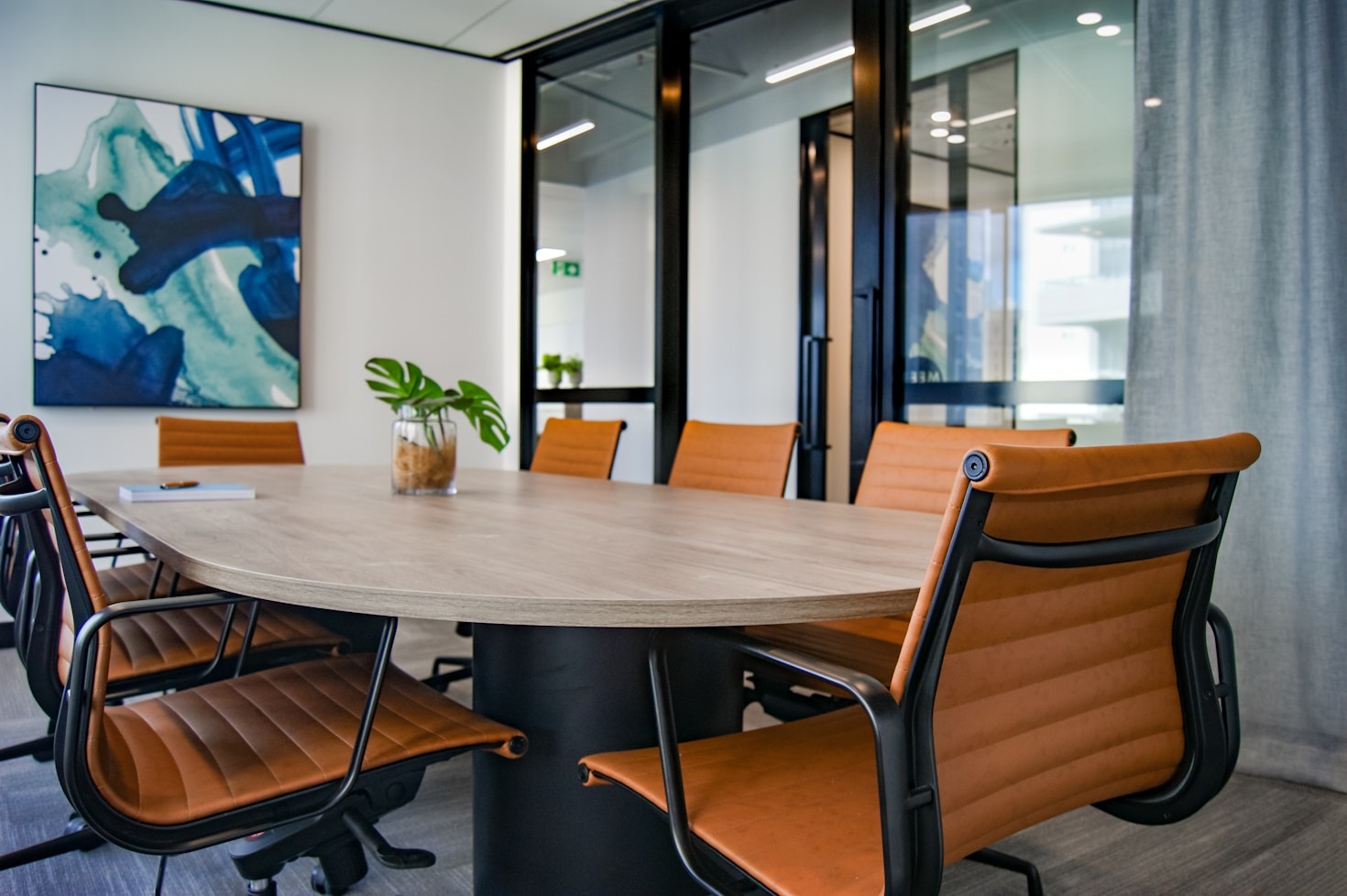
In today’s competitive business environment, the design of your workspace is no longer a secondary consideration—it is a strategic asset. An office that balances functionality with style does more than look impressive to visitors; it actively shapes how employees work, how efficiently tasks are completed, and how your brand is perceived by clients and partners alike. For business owners and managers searching for the right office space, understanding this balance is essential before signing any lease.
Why Functionality Comes First
Functionality refers to how well a space supports the daily operations of a business. A functional office is one where employees can move freely, access the equipment they need without delay, and collaborate without unnecessary friction. When evaluating a potential office, you should consider the layout carefully: are there enough meeting rooms for your team size? Is the space divided logically between quiet work zones and collaborative areas? Are the electrical outlets, internet connectivity, and lighting fixtures positioned to support modern equipment?
Poor functionality often shows itself gradually. A desk arrangement that seemed fine on day one may create bottlenecks once the team grows. A meeting room that looked spacious in an empty viewing may feel cramped once furnished. This is why it is important to think beyond the present moment and consider how your team’s needs might evolve over the next one to three years.
Why Style Should Not Be an Afterthought
While functionality addresses the practical side of an office, style influences the emotional and psychological experience of working there. A well-designed space communicates professionalism to clients the moment they walk through the door. It also plays a subtle but powerful role in employee morale—people tend to feel more motivated and take more pride in their work when their surroundings reflect quality and intentionality.
Style does not necessarily mean an expensive interior design overhaul. It can be achieved through consistent color schemes, clean furniture lines, appropriate lighting, and thoughtful use of natural materials such as wood or stone accents. The goal is coherence: every element in the space should feel like it belongs to the same overall vision, rather than appearing as a random collection of furniture and decor.


Finding the Right Balance
The most successful offices are those where style serves functionality rather than competing with it. For example, an open shelving unit can be both a functional storage solution and a stylish design feature if chosen thoughtfully. Similarly, ergonomic furniture can be selected in colors and materials that align with your brand identity, achieving both comfort and visual appeal simultaneously.
When touring potential office spaces, ask yourself: does this space allow my team to perform at their best, and does it also reflect the image I want to project to clients and partners? A space that answers “yes” to both questions is one worth serious consideration.
Practical Tips for Achieving Both
- Start with your workflow. Map out how work actually happens in your business before choosing furniture or finishes.
- Choose flexible furniture. Modular desks and movable partitions allow the space to adapt as your team changes.
- Prioritize natural light. It improves both employee wellbeing and the visual appeal of any interior.
- Keep a consistent palette. Two or three coordinated colors throughout the office create a polished, professional look.
- Invest in key statement pieces. A well-chosen reception desk or meeting table can elevate the entire space without a large budget.
Frequently Asked Questions
Q: Is it more expensive to have both a functional and stylish office? Not necessarily. Many functional design choices, such as smart storage or modular furniture, also contribute to a polished appearance. The key is planning ahead rather than making reactive purchases.
Q: How often should office design be updated? Most businesses benefit from a light refresh every two to three years, with a more significant overhaul every five to seven years, depending on wear and evolving business needs.
Q: Can a small office still achieve a stylish, functional design? Yes. In fact, smaller spaces often benefit most from smart design, since every element must serve a clear purpose. Multi-functional furniture and a simple color palette work particularly well in compact offices.
Q: Should I hire an interior designer or handle this myself? For larger offices or complete renovations, a professional designer can save time and prevent costly mistakes. For smaller updates, following the principles above can be done effectively in-house.
Final Thoughts
Balancing functionality and style is not about choosing one over the other—it is about designing intentionally so that both work together. Whether you are setting up a new office or renovating an existing one, keeping this balance in mind will result in a workspace that supports productivity while making a lasting impression on everyone who walks through the door.
At THE OFFICE, we understand how important this balance is for growing businesses. Our fully serviced offices in the 5th Settlement, New Cairo, are designed to combine professional functionality with a refined, modern aesthetic—so you can move in and start working without compromise.